























Introduction
Lasers are central to modern photonics. They are used in research, manufacturing, medical systems, metrology, communications, quantum technology and countless laboratory applications. Their value comes from precision: a laser can deliver light at a defined wavelength, in a controlled beam, and often at very high power density.
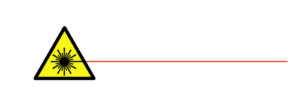
That same precision also creates risk. Laser radiation can be hazardous to the eyes and skin, particularly when the beam is invisible, tightly focused, or delivered in short high-energy pulses. For anyone working with lasers, laser safety should not be treated as an afterthought or generic PPE exercise. It must be linked directly to the wavelength, output power, operating mode and working environment.
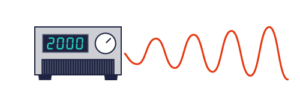
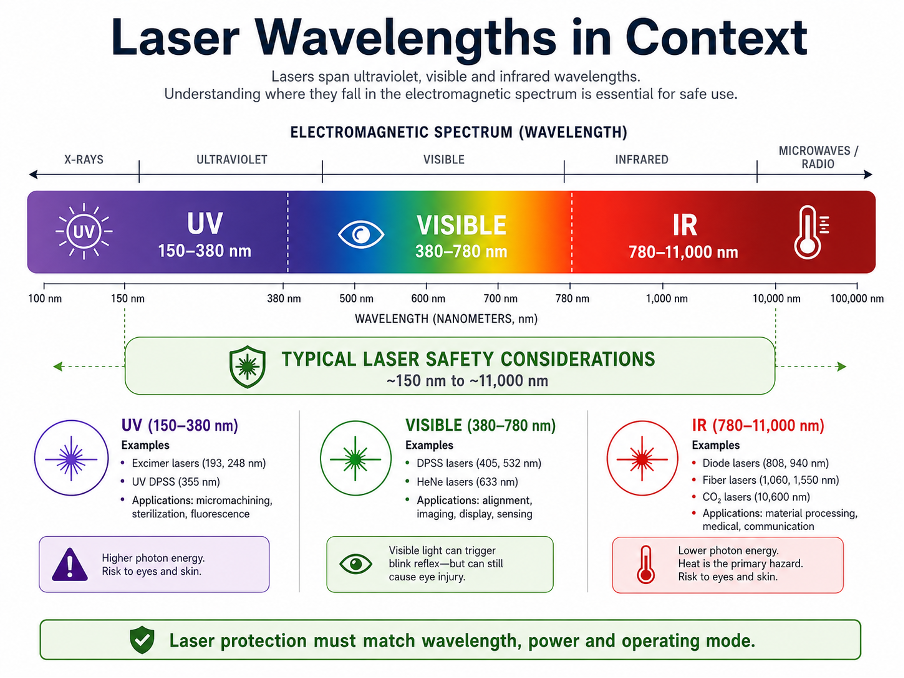
Laser radiation is part of the wider electromagnetic spectrum, and while visible light is generally considered to sit around 380–780 nm, laser safety considerations extend much further, from ultraviolet through visible and into infrared wavelengths. uvex/laservision notes that laser “light” in a safety context can cover a much broader range, from around 150 nm to 11,000 nm.
What Makes Laser Light Different?
Ordinary light sources, such as lamps, emit light in many directions and across a broad spectrum of wavelengths. A laser is different. Laser light is usually highly directional, often close to a single wavelength, and can remain concentrated over long distances.
This matters because the power can be concentrated into a very small area. A relatively modest laser can become dangerous if its energy is focused into the eye, reflected from a shiny surface, or delivered through an optical system.
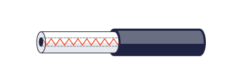
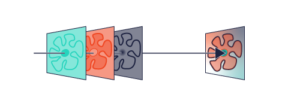
The basic operation of a laser typically involves an active medium, a resonator with mirrors, and a pump source. Energy is supplied to the active medium, photons are generated and amplified, and part of the resulting beam exits through a partially transmitting mirror.
Continuous-Wave and Pulsed Lasers
Not all lasers present risk in the same way. A continuous-wave laser emits power steadily, while a pulsed laser releases energy in bursts. With pulsed lasers, the peak power of each pulse can be the critical safety factor. As repetition rate increases, average power also becomes important.
This is why selecting laser protection cannot simply be based on “how bright” a laser appears. Some hazardous beams are invisible. Others may be pulsed in ways that deliver significant energy before a user can react.
Laser Classes and Hazard Awareness
Laser products are classified according to accessible emission limits. The uvex/laservision safety guidance summarises laser classes ranging from Class 1, where accessible radiation is not considered dangerous under normal conditions, through to Class 4, where direct and diffuse reflections may be hazardous to eyes and skin and where fire risk can also exist.
In practical terms, the higher the class, the more formal the control measures need to be. For Class 3B and Class 4 laser safety, appropriate laser safety eyewear, beam enclosures, screens, curtains, interlocks and controlled working procedures may all be required.
Why Generic Laser Safety Eyewear Is Not Enough
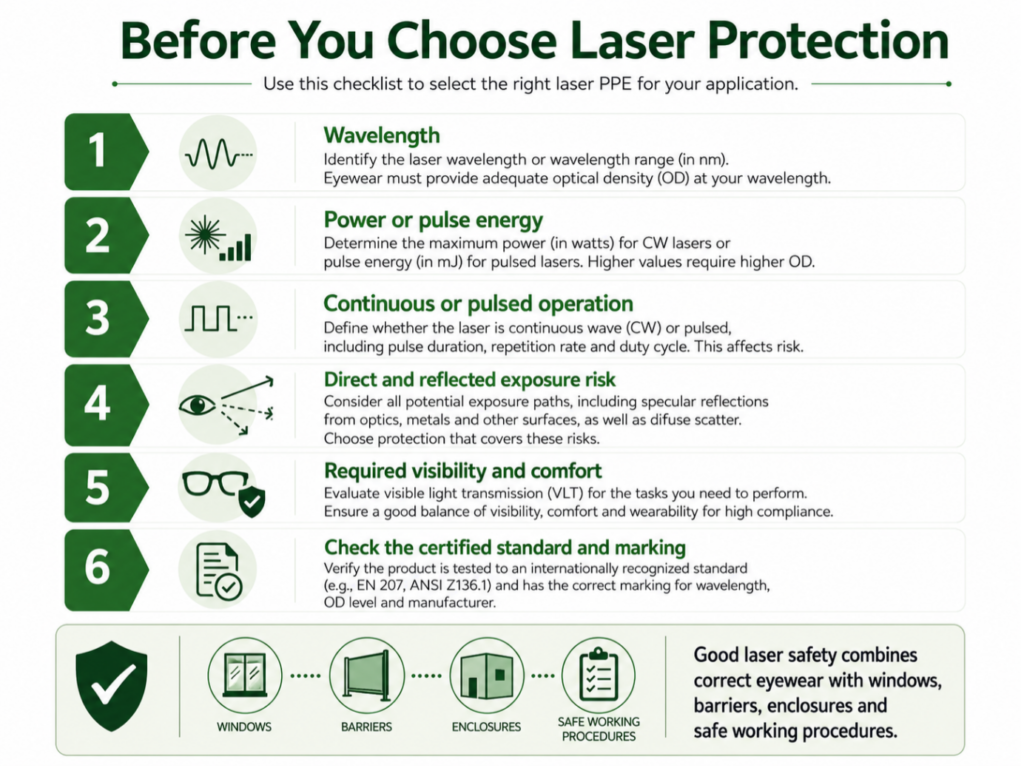
Laser safety eyewear must be selected for the actual laser in use.
Key Parameters for Choosing Laser Safety Eyewear
The key parameters include:
- Wavelength or wavelength range
- Output power or pulse energy
- Continuous or pulsed operation
- Beam diameter and exposure conditions
- Required protection level
- Need for visibility and comfort
A pair of glasses that protects against one wavelength may provide little or no protection against another. Similarly, eyewear suitable for a low-power visible alignment laser may be wholly unsuitable for a high-power infrared source.
This is particularly important in laboratories where multiple laser sources are used. Protection should be chosen for the actual hazard, not simply for convenience.
Beyond Eyewear: Laser Safety Windows, Barriers and Controlling the Environment
Good laser safety is not only about glasses. In many environments, the safest solution is to reduce exposure risk at source.
Engineered Controls for Photonics Safety
In many environments, the safest approach combines:
- Beam enclosures
- Laser safety windows
- Curtains and barriers
- Controlled access areas
- Beam dumps and stops
- Warning signs and procedural controls
- Training and supervision
Laser safety windows and large-area laser safety barriers can be particularly useful when several users need to observe an experiment or process without being directly exposed to hazardous radiation.
How Laser 2000 Can Help with Photonics Safety
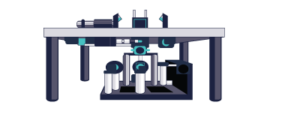
Laser 2000 works with photonics users across academia, research and industry, where laser safety is often closely tied to the application itself. Whether the requirement is for laser safety eyewear, viewing windows, barriers, curtains or advice on suitable protection levels, the key is matching the solution to the actual laser parameters.
For laboratories, production areas and medical environments, this means thinking beyond a simple product purchase. It means building a safe, usable working environment where users can work confidently without compromising visibility, ergonomics or performance.
Conclusion
Lasers are powerful tools, but they require informed safety decisions. Understanding wavelength, operating mode, laser class and exposure conditions is essential before selecting protective equipment.
The right approach combines correct laser safety eyewear, engineered controls and clear working procedures. With the right advice and product selection, organisations can protect users while continuing to benefit from the precision and capability that lasers bring to modern photonics.
FAQs
What is laser safety and why does it matter?
Laser safety means matching protective measures — eyewear, windows, barriers and procedures — to the actual wavelength, power, pulse characteristics and working environment of a laser, rather than treating protection as a generic PPE exercise. Because laser radiation can damage the eyes or skin in a fraction of a second, getting this match right is essential.
How is laser light different from light from an ordinary lamp?
A lamp emits light in many directions across a broad range of wavelengths, while a laser produces a highly directional, close to single-wavelength beam that can stay concentrated over long distances. This concentration is what allows even a modest laser to become hazardous if focused into the eye or reflected off a shiny surface.
What’s the difference between continuous-wave and pulsed laser hazards?
A continuous-wave laser emits power steadily, while a pulsed laser delivers energy in short bursts where peak power per pulse is often the critical safety factor. As pulse repetition rate increases, average power also becomes a significant consideration for laser protection.
What are laser classes and why is Class 4 laser safety particularly important?
Laser classes range from Class 1, where radiation isn’t considered dangerous under normal conditions, up to Class 4, where both direct and diffuse reflections can be hazardous to eyes and skin, alongside fire risk. Class 3B and Class 4 laser safety typically calls for a combination of rated eyewear, beam enclosures, interlocks and controlled working procedures.
Why can’t I use the same laser safety eyewear for every laser?
Laser safety eyewear is wavelength- and power-specific: glasses that protect against one wavelength may offer little or no protection against another, and eyewear suited to a low-power visible alignment laser is often unsuitable for a high-power infrared source. In labs with multiple laser sources, eyewear needs to be matched to each actual hazard.
What other laser protection measures exist besides eyewear?
Beyond eyewear, photonics safety often relies on engineered and administrative controls such as beam enclosures, laser safety windows, laser safety barriers and curtains, controlled access areas, beam dumps, warning signage, and staff training. Laser safety windows and barriers are especially useful where multiple users need to observe a process without direct exposure.
Can Laser 2000 help choose the right laser protection?
Yes. Laser 2000 advises photonics users across academia, research, industry and medical environments on laser safety eyewear, viewing windows, barriers, curtains and overall protection levels, matched to the specific laser parameters and working environment involved.